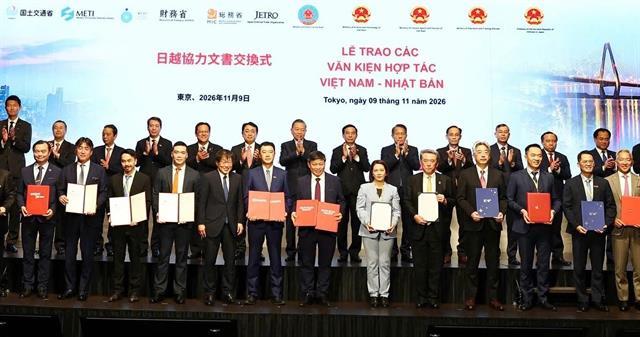
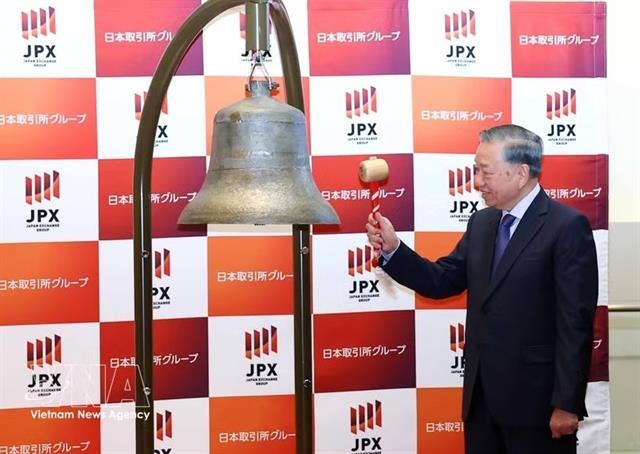
Under the agreement, the two groups will explore cooperation in international capital markets, corporate finance and project financing, while connecting Japanese investors with Sovico''s businesses in banking and finance, aviation, infrastructure, digital transformation and real estate.
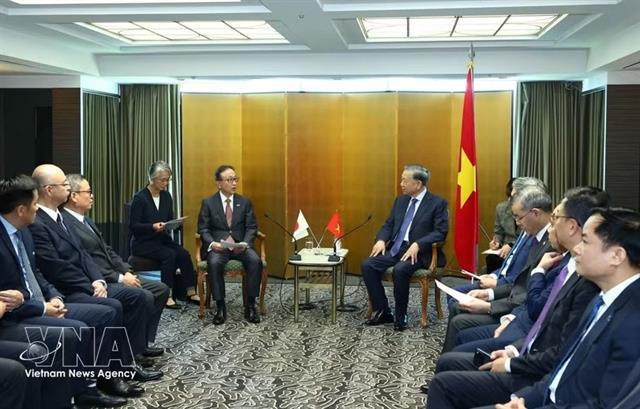
General Secretary and President Lâm affirmed that Japan has always been an important partner in supporting Việt Nam’s infrastructure development, not only through government funding and official development assistance (ODA), but also through the involvement of Japanese financial institutions and...
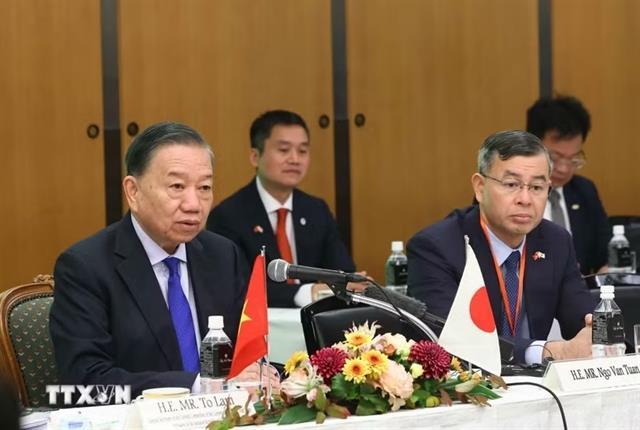
General Secretary of the Communist Party of Vietnam Central Committee and President Tô Lâm expressed his wish for bilateral financial cooperation to move beyond a traditional provider-recipient relationship towards a development partnership in which the two sides jointly develop financial...
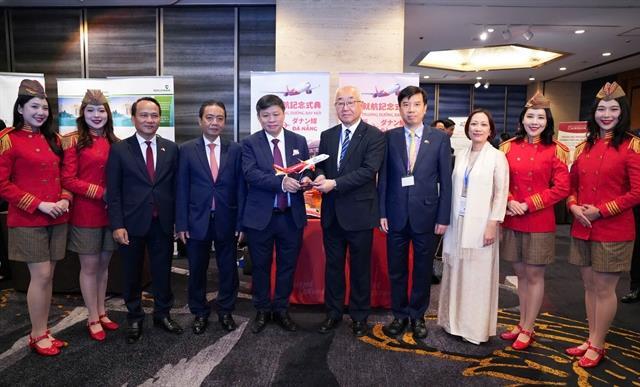
Vietjet has operated flights to Japan since 2018 and currently runs 138 flights per week between the two countries across 22 routes, including scheduled and charter services.
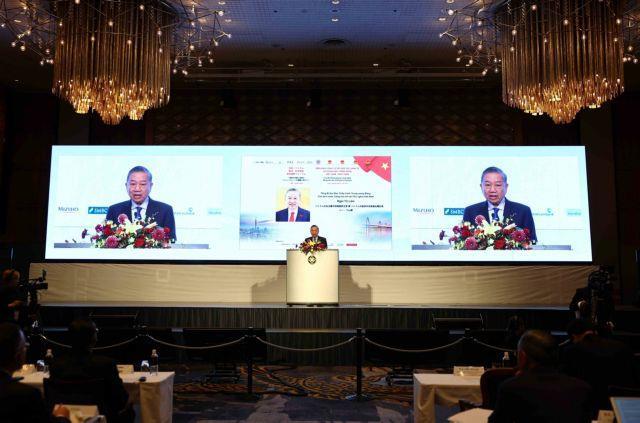
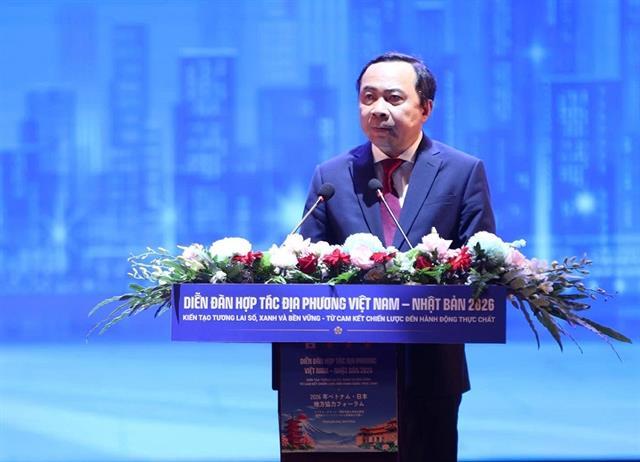
At the forum, representatives of Vietnamese and Japanese businesses shared their views and presented practical cooperation initiatives with determination to unlock new development opportunities for bilateral relations.
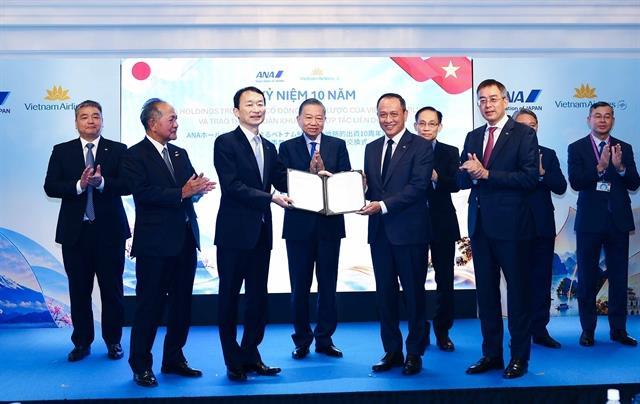
The agreement is expected to help both carriers make more efficient use of their networks and resources, while developing products to meet market demand and improving booking, connections and frequent flyer benefits.
General Secretary and President Tô Lâm suggested that both sides transition from ‘a traditional model based on the simple reception and transfer of resources’ toward a model of ‘co-creation, characterised by deep integration within value and supply chains’.
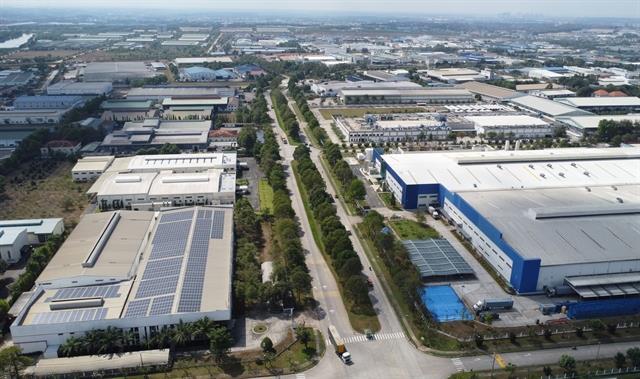
Đồng Nai is gradually building a competitive investment environment with focus are on upgrading industrial park infrastructure, transport networks, electricity and water supply, domestic supplier networks and a fast, transparent investment administration system to strengthen the city’s competitiveness.
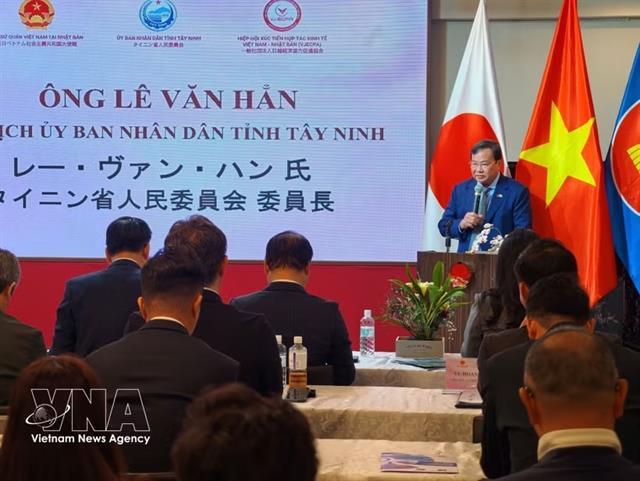
Japanese businesses have invested more than US$1.4 billion in the province, contributing to economic growth, workforce development and the adoption of modern management practices.
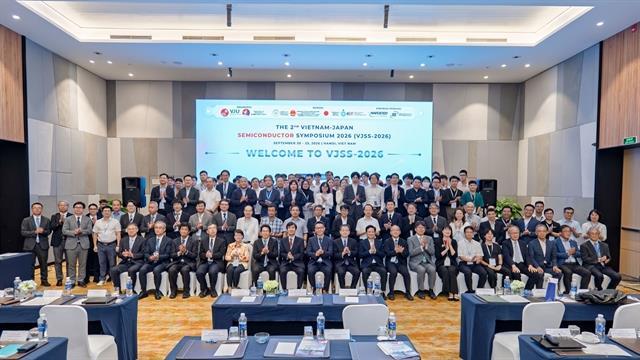
Japan has strengths in semiconductor materials, manufacturing equipment, precision engineering and quality control, while Việt Nam has a young workforce, a growing electronics manufacturing base and plans to expand training and research in semiconductors.
Cooperation should shift decisively from outsourcing and assembly towards partnerships in research and development, product design, testing, manufacturing and commercialisation, allowing Vietnamese companies to move higher up global value chains.
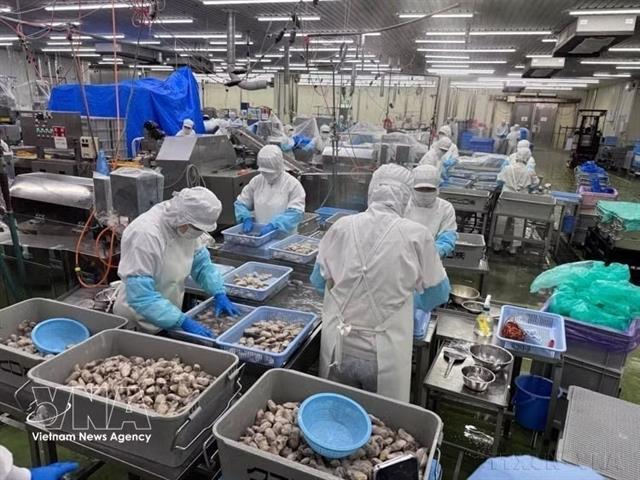
The first shipment to Japan not only reflects Vĩnh Thành Đạt’s efforts to enhance the value of Vietnamese eggs but also opens new opportunities for processed egg products to access demanding international markets.